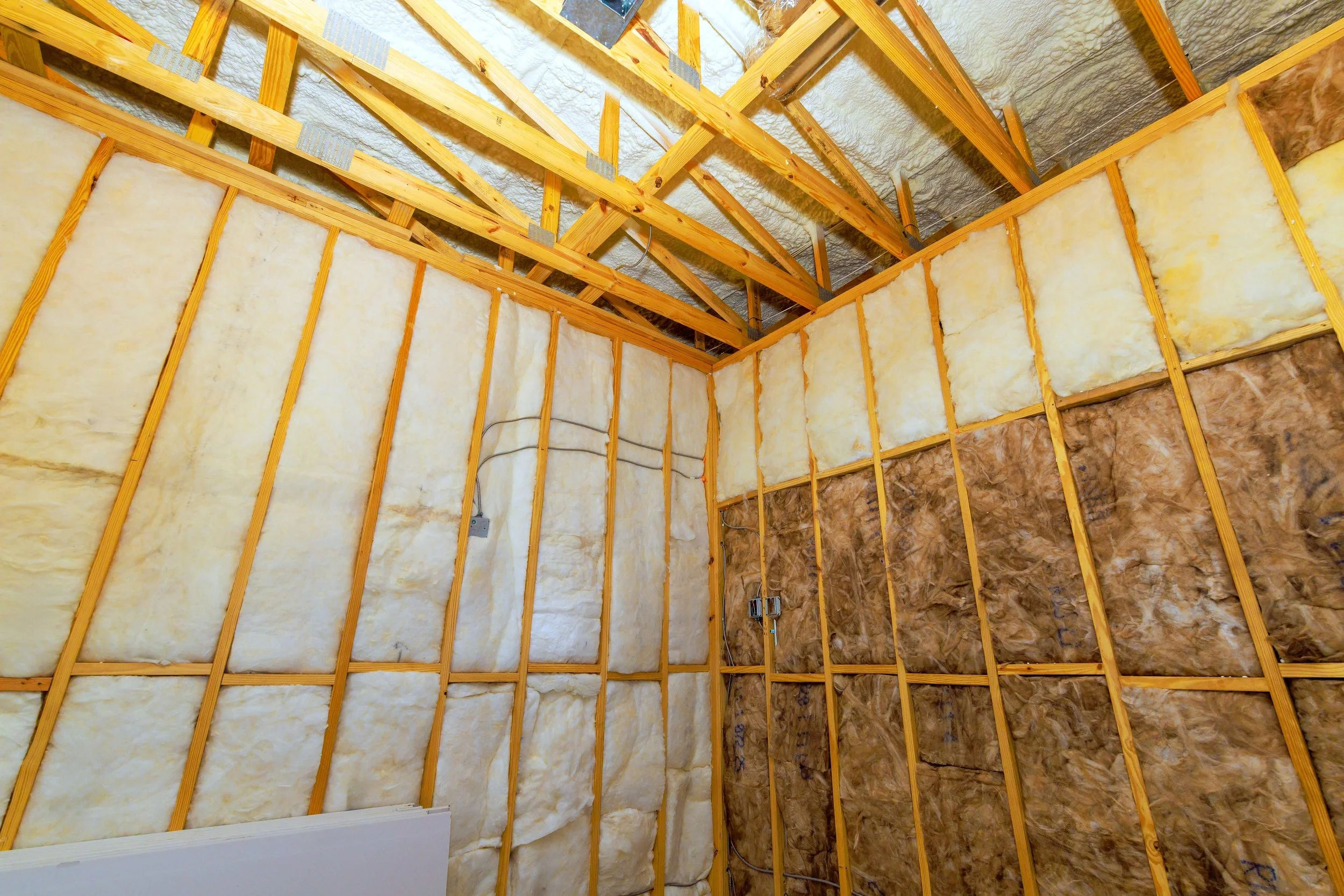
Soundproofing Insulation in Dallas-Fort Worth
Soundproofing insulation can help reduce unwanted noise between rooms, floors, offices, shared walls, and commercial spaces. Whether you are building a home office, media room, recording space, tenant finish-out, church classroom, medical office, or simply want a quieter home, the right insulation system can make a noticeable difference.
DFW Insulation Contractors helps homeowners and property owners compare soundproofing insulation and noise reduction options throughout Dallas-Fort Worth, including Dallas, Fort Worth, Grapevine, Southlake, Colleyville, Flower Mound, Keller, Mansfield, Plano, Frisco, McKinney, and surrounding North Texas communities.
Soundproofing is different from standard thermal insulation. Some insulation products can help with both comfort and noise reduction, but true sound control depends on the entire wall, ceiling, or floor assembly.
What Is Soundproofing Insulation?
Soundproofing insulation is insulation used to help reduce sound transfer through walls, ceilings, floors, and other building assemblies. It is commonly used in both residential and commercial projects where noise control matters.
Common applications include:
Home offices
Media rooms
Bedrooms
Nurseries
Bathrooms
Laundry rooms
Garages
Rooms over garages
Apartments and townhomes
Shared walls
Medical offices
Churches
Schools
Conference rooms
Restaurants
Commercial tenant finish-outs
Soundproofing insulation can help absorb sound within wall and ceiling cavities, but it is usually one part of a larger noise-reduction strategy.
Common Soundproofing Insulation Options
Several insulation materials may be used for sound-control projects depending on the space and budget.
Mineral Wool / Rock Wool
Mineral wool is commonly used for sound reduction because it is dense, fits well in wall cavities, and can help reduce sound transfer. It is often used in interior walls, ceilings, home offices, studios, and commercial spaces.
Fiberglass Batts
Fiberglass batts can also be used for sound-control applications. They are widely available and often more affordable than some specialty soundproofing materials.
Open-Cell Spray Foam
Open-cell spray foam may help reduce sound transfer in some applications because of its softer, open structure. It can also help reduce air movement, which can sometimes contribute to noise transfer.
Blown-In Insulation
Blown-in insulation may be considered in certain retrofit situations where wall or attic cavities need additional insulation without fully opening the space.
The best material depends on the wall or ceiling assembly, access, budget, and the type of noise problem you are trying to solve.
Soundproofing vs. Sound Reduction
It is important to understand the difference between soundproofing and sound reduction.
Most residential and commercial projects are really about reducing noise, not making a room completely soundproof. A truly soundproof room usually requires specialized construction, including dense materials, air sealing, isolation, multiple wall layers, acoustic sealants, and careful attention to doors, windows, vents, and penetrations.
Insulation can help, but it may not solve the entire problem by itself.
Noise can travel through:
Wall cavities
Ceilings
Floors
Doors
Windows
Air gaps
Ductwork
Electrical outlets
Plumbing penetrations
Framing connections
For best results, soundproofing insulation should be considered as part of the whole assembly.
Where Soundproofing Insulation Works Best
Soundproofing insulation may be useful in:
Interior walls between rooms
Walls around bathrooms or laundry rooms
Bedroom walls
Home office walls
Media room walls and ceilings
Garage walls next to living spaces
Floors between levels
Commercial office partitions
Shared tenant walls
Church classrooms
Conference rooms
Treatment rooms or medical offices
If the wall or ceiling is already open during construction or remodeling, that is often the easiest time to add sound-control insulation.
Benefits of Soundproofing Insulation
Soundproofing insulation may help:
Reduce noise between rooms
Improve privacy
Make home offices quieter
Improve comfort in bedrooms and nurseries
Reduce sound from laundry rooms or bathrooms
Improve media room performance
Reduce noise between tenant spaces
Support better commercial office privacy
Improve the feel of a finished space
For many homeowners and businesses, the goal is not perfect silence. The goal is a more comfortable, private, and usable space.
Limitations of Soundproofing Insulation
Soundproofing insulation is useful, but it has limitations.
Insulation alone may not fully block:
Loud music
Footstep impact noise
Garage noise
Mechanical noise
HVAC duct noise
Noise through doors or windows
Low-frequency bass
Sound leaking through gaps and penetrations
For stronger sound control, additional steps may be needed, such as acoustic sealant, thicker drywall, resilient channels, sound isolation clips, solid-core doors, improved weatherstripping, or floor/ceiling assembly upgrades.
A contractor can help determine whether insulation alone is enough or whether a broader sound-control approach is needed.
Soundproofing Insulation Cost
Soundproofing insulation cost depends on the size of the project, insulation material, wall or ceiling access, whether drywall must be removed, and how much sound reduction is desired.
Cost factors include:
Square footage
Insulation material
Wall, ceiling, or floor location
New construction vs. retrofit
Drywall removal and replacement
Access difficulty
Sound-control goals
Residential vs. commercial project
Additional acoustic materials
Simple sound-control insulation during new construction or remodeling is usually less complicated than retrofitting finished walls. The most accurate pricing requires a review of the space and project goals.
Is Soundproofing Insulation Worth It?
Soundproofing insulation may be worth considering if noise is affecting how you use a room or building.
It may be especially useful for:
Homeowners building a home office
Families wanting quieter bedrooms
Media room or game room projects
Rooms over garages
Bathrooms or laundry rooms near living areas
Commercial offices needing privacy
Churches, schools, or medical offices
Tenant spaces with shared walls
If the walls or ceilings are already open, adding sound-control insulation can be a practical upgrade.
Request a Soundproofing Insulation Quote
Soundproofing insulation can help make a home, office, commercial space, or specialty room quieter and more comfortable. The right solution depends on the space, wall or ceiling assembly, budget, and type of noise you want to reduce.
DFW Insulation Contractors helps property owners compare soundproofing insulation options throughout Dallas-Fort Worth and surrounding North Texas communities.